
Eastvale Previous Residents by Era
Different sources answer different parts of the Eastvale previous residents question. The recorder follows recorded parties and land instruments. The county directories can name occupants or businesses, while census schedules show a household in a historical enumeration district. Permits date construction work. Newspapers, cemetery records, vital certificates, and probate can close a life trail without proving every move. The ranges below are search anchors, not a promise that every year or every address appears.
| Source | Years It Covers | Where Held | What It Shows |
|---|---|---|---|
| Riverside recorder online index | January 1, 1974 to present | Riverside County Self-Service Official Records | Recorded parties, document type, date, and number |
| Older deeds and indexes | County era from 1893 through the pre-web period | Gateway Riverside and Riverside County Archives | Grantor/grantee chains, deed books, maps, and legal descriptions |
| Riverside City and County directories | 1889-1966 | Corona Heritage Room microfiche | Occupants, locality wording, occupations, and household clues |
| Federal census | Public through 1950 | NARA Riverside | Household members, relationships, age, occupation, and enumeration district |
| Eastvale permits | Municipal era after October 1, 2010; start date not verified | Eastvale public-records portal and Accela | Construction change, application, inspection, and named project parties where public |
| Newspapers, cemetery, vital, and probate | Runs and access vary by collection | Heritage Room, Riverside County, and Superior Court | Dated mentions, death and marriage clues, burial data, heirs, and estate events |
Use the newest source that can answer the question, then move backward. A recent address starts with APN and current ownership. A dairy-era household may start in a Corona volume or newspaper. A nineteenth-century land trail begins with county formation and predecessor-jurisdiction cautions. The Riverside County Assessor-County Clerk-Recorder overview shows why property, recorder, clerk, and archive channels sit together without being the same index.
The Riverside County Assessor-County Clerk-Recorder overview identifies the office structure that anchors a parcel history.
That shared custodian makes it easier to carry an APN from the assessor route to a recorder search and then to older archive material.
The Eastvale Address Starting Point
Begin with the complete street address in Riverside County Property Search. The documented search modes are APN or assessment number, PIN, and property address. For an APN, the interface uses the first nine digits and omits the dash and final digit. A street number and name usually work best for the address mode. The result can anchor the parcel, situs address, and assessment context.
Owner names are not displayed on the public web. Riverside ACR makes ownership available through public office computers and microfiche. Carry the APN to an office terminal, record the roll date, and distinguish the situs address from the mailing address. A matching mailing and situs address can be consistent with owner occupancy, but neither a match nor a mismatch proves who slept there. A deed party may also be a trustee, lender, lienholder, or organization rather than a resident.
- APN
- The assessor parcel number, used to keep a piece of land tied to its assessment and map identity.
- Situs address
- The physical location of the parcel. It can remain the land bridge when postal wording changes.
- Mailing address
- The destination for tax or other correspondence. It may belong to an owner or agent away from the parcel.
- Legal description
- The recorded land description, such as tract, lot, block, or map reference, used when a street address is too new or unstable.
Eastvale Previous Residents Through Deeds
A deed chain traces land ownership, not a complete resident roster. Once the current owner is obtained through the office channel, search that person or organization in the Riverside recorder index. The recorder is not street-address keyed. Name Search, document number, document type, map type, book/page, and Advanced modes solve different parts of the trail. The legal description and APN help keep similar addresses from being joined by mistake.
| Recorder field | Type | Search note |
|---|---|---|
| Name | Text | Individuals use LAST FIRST MI without punctuation; organizations are entered as spelled |
| Recording Date Start/End | Date pair | Optional range for narrowing a prior transfer |
| Document Types | Multiselect | Options are dynamic and were not fully exposed in the research capture |
| Advanced Name Searching | Checkbox | Exact, wildcard, fuzzy, sounds-like, proximity, quote, plus, minus, and grouped searches |
| Document Number | Alternate text mode | Year plus serial, with seven digits after December 23, 2003 |
| Book/Roll and Page/Cert | Map mode | Book or roll is required; page or certificate is optional |
- Write down the APN, current owner spelling, situs address, mailing address, legal description, and roll date.
- Search the owner as a grantee, then narrow by recording date and document type until the acquisition instrument fits the parcel.
- Save the document number, recording date, grantor, grantee, deed type, APN or legal description, and visible transfer details.
- Take the grantor from that deed and search the grantor as a grantee in an earlier period.
- Repeat backward, testing name variants and carrying the same legal description across each instrument.
- At the January 1, 1974 web floor, move to Gateway Riverside, County Archives, or the relevant paper index and deed books.
Search precision matters. Individual names use LAST FIRST MI, organizations are entered as spelled, and exact matching respects typed order. Wildcard, fuzzy, sounds-like, proximity, quotes, plus, minus, and parentheses operators can help with spelling variants. Keep a note of each query. A name appearing on a deed of trust or lien does not automatically mean that person owned or lived at the address.
- Grantor
- The party transferring or granting an interest in the recorded instrument.
- Grantee
- The party receiving the interest. Searching the grantee from one deed can lead to the earlier seller.
- Chain of title
- The linked sequence of recorded transfers for the same land, carried by legal description and related identifiers.
- Index versus image
- The index is a finding aid. The recorded image is the instrument itself, subject to copy and certification rules.
Eastvale Recorder Number Quirk
Riverside document numbers have a useful break point. On December 23, 2003, the serial portion changed from six digits to seven digits. A document number follows a year-plus-serial pattern, with leading zeros important to retrieval. Once a citation is known, Document Number mode is cleaner than a broad name search. If a family paper omits a leading zero or uses the older visual format, try the number with the correct year and serial length before assuming the instrument is missing.
The recorder’s online index begins January 1, 1974, and its processed-through date advances. County office computers are described as reaching back to 1975, while Gateway Riverside handles 1974 and earlier research. Those descriptions can look inconsistent until the web index, ordinary office terminal, and archive fallback are treated as separate channels. Do not fill a gap with a made-up coverage year. Ask the office which series bridges the exact date.
The county’s recorder and archives retention schedules place the online floor in the larger record-keeping chain.
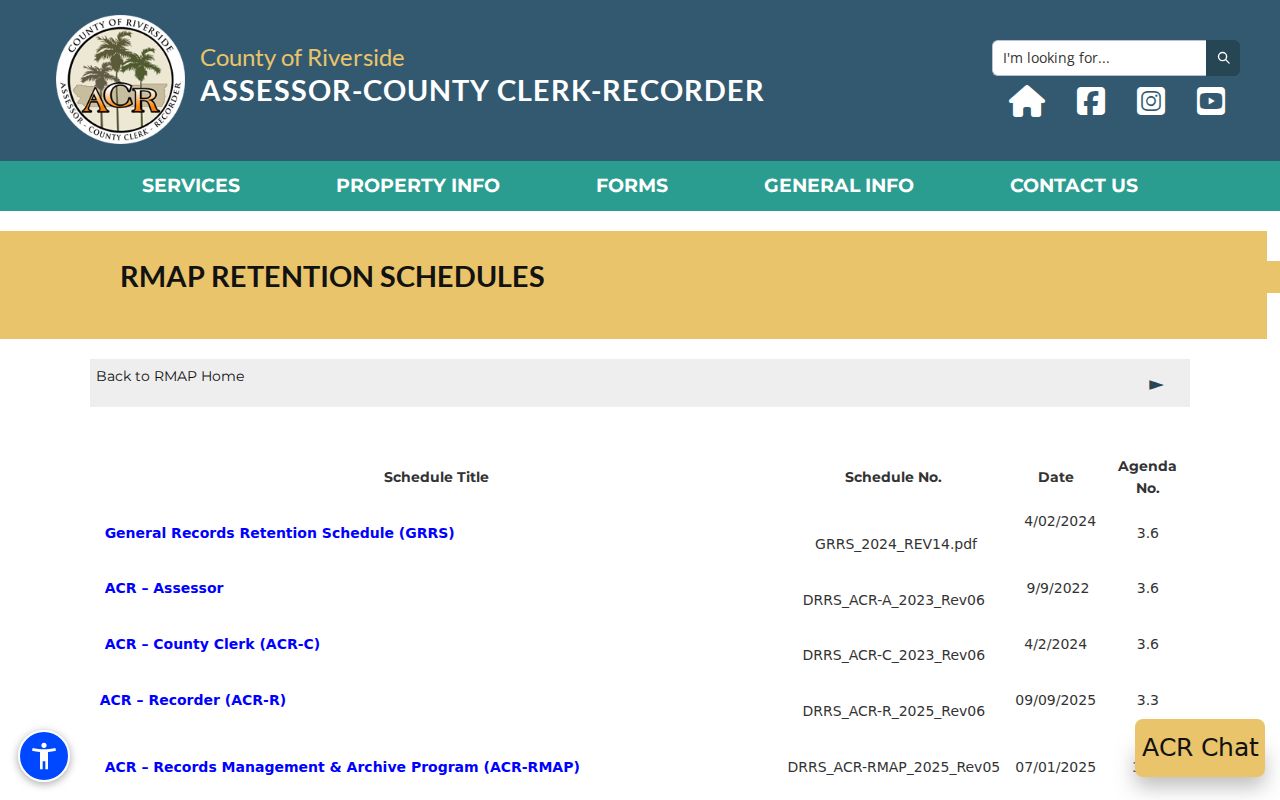
For older Eastvale previous residents, the absence of a web hit is a routing problem first, not proof that the land had no earlier owner.
Copies from the Eastvale Deed Trail
The recorder offers online, mail, and counter copy routes. The first page costs $8, added pages cost $1 each, and certification or document service adds $2. Online card payment has a 2.15 percent surcharge and average processing is about 48 hours. Counter copies may be same-day. Mail requests average one to two weeks. The Riverside County record-copy instructions should be checked at the time of order because fees and processing can change.
A mail request without a document number needs the document type, parties, estimated date, and an optional parcel clue. For pre-1976 staff searches, the estimated year is especially important because the described search window is only two years after that estimate. Give the office a narrow request rather than asking it to research every person connected to an address. Preserve the indexed spelling and citation before paying. Completed copy orders are nonrefundable, so resolve same-name confusion first.
The county copy-route explanation shows the difference between finding an index entry and ordering its underlying record.
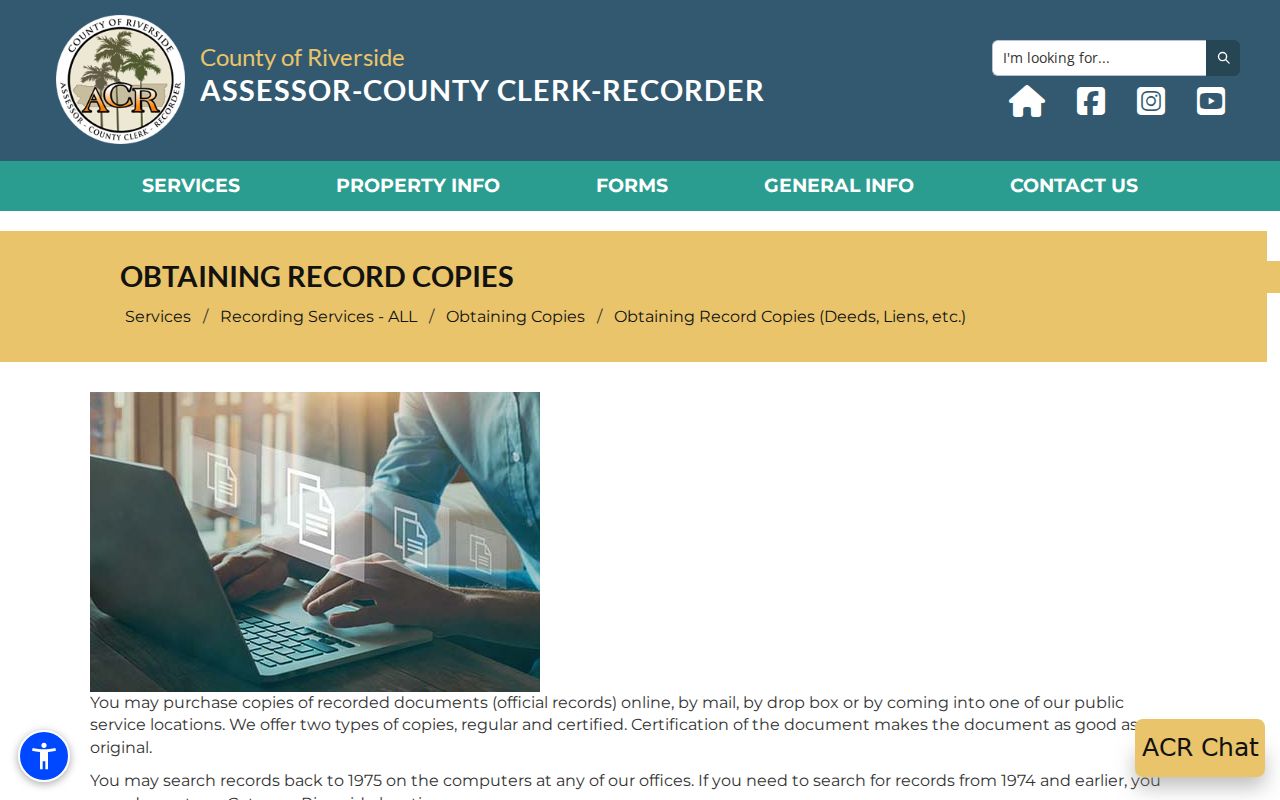
A certified copy can serve an evidentiary need, but certification does not turn an index-only name match into proof of residence.
Eastvale Directory Occupants, 1889-1966
Corona Public Library’s W. D. Addison Heritage Room holds Riverside City and County directories on microfiche for 1889-1966, along with select Corona volumes, newspapers, cemetery holdings, and state index fiche. Eastvale has no verified standalone printed directory run. Search East Vale, Eastvale, Corona, Norco, rural routes, county sections, ranch names, and post-office headings. A Corona line may describe postal or school geography rather than a present city address.
Directory lines can include a surname, given name or initial, occupation or business, locality or post office, residence or ranch, and cross-reference. Spouse or widow notation, occupation, and a middle initial can separate people with the same name. A directory’s publication date may follow its canvass date, and omission may mean a household was missed. Use a directory as dated occupant evidence, then compare it with deeds, assessment material, newspapers, or census schedules. The longer collection and how to read its entries belong with the Eastvale city directory collections.
The Heritage Room is at 650 South Main Street in Corona. Its published phone is 951-279-3593, with Heritage.Room@CoronaCA.gov. Hours are Monday through Thursday 10 a.m. to 7:45 p.m., Friday 10 a.m. to 1:30 p.m. and 2 to 5:45 p.m., and Saturday 10 to 1:45 p.m. Offsite items need advance notice, and a closed-hours appointment on Tuesday through Thursday should be requested about a week ahead. Copies and scans cost 25 cents; scan-to-email is unavailable, so bring a flash drive. High-quality digital reproduction is $7.50 per image with publication permission required.
1950 Census and Eastvale Districts
The 1950 federal census is the newest public census in this research run under the 72-year release rule. Present Eastvale was unincorporated, so a search should use enumeration-district maps and descriptions for rural Riverside, Corona, and Norco geography rather than a modern Eastvale city selector. NARA Riverside, at 23123 Cajalco Road in Perris, offers appointment research Monday through Friday 9 a.m. to 4 p.m. and holds census, land, naturalization, military, immigration, border-crossing, and federal-court material.
Census schedules can show household composition, relationship, age, birthplace, occupation, and tenure as collected. They can also contain omissions, spelling differences, mis-indexing, or a person temporarily away. Pair a directory line immediately before or after 1930, 1940, or 1950 with the matching enumeration district. Do not treat a derivative transcription as the page image, and do not use a public 1950 household as proof that the same person lived there in a later subdivision era.
Eastvale Permits Date Physical Change
Permits are change evidence. They can place an application, issuance, inspection, final, project type, applicant, contractor, or owner-related name near an address when the record is public. They do not prove a resident moved in, prove an owner occupied the parcel, or replace a deed. Municipal permit evidence becomes relevant after Eastvale incorporated on October 1, 2010, but the exact Accela coverage start was not verified.
Eastvale offers three distinct public-record actions: submit a Public Records Act request, search released public documents, and search building permits. The online Eastvale public-records portal is one route; the Eastvale permit portal is another. The City Clerk is the municipal custodian and can be reached at 951-703-4420 or cityclerk@eastvaleca.gov, with City Hall at 12363 Limonite Avenue Suite 910. City Hall is open Monday through Thursday 7:30 a.m. to 5:30 p.m. Phone or counter contact is useful when a dynamic form does not expose the needed field.
For a permit dated before city incorporation, ask Eastvale whether a county file was inherited. If not, identify the Riverside County predecessor department. A permit chronology can show when a building changed, while the deed chain and directories address ownership and occupancy.
Eastvale Previous Residents in Local Records
Newspapers and death-related collections can connect a prior occupant to a place after a deed or directory trail stops. The South Riverside Bee runs from 1887-1896, Corona Courier from 1900-1938, Corona Daily Independent from 1906-1983, and Corona-Norco Independent from 1983-2003. Search land notices, school activities, club columns, advertisements, social news, legal notices, obituaries, and dairy or ranch names. A newspaper mention is dated association evidence, not proof of permanent residence.
Sunnyslope Cemetery records cover 1895-1984 with inscriptions, dates, cause, and burial location. The Heritage Room also holds a California Death Index fiche for 1905-1939 and a California Marriage Index fiche for 1960-1985. Riverside County vital certificates remain governed by California’s authorized-versus-informational copy model, not a simple 100-year opening rule. County birth, death, and marriage channels and CDPH statewide forms have separate eligibility and identity rules.
The Riverside County vital-certificate service is the correct starting point for county events and certificate access.
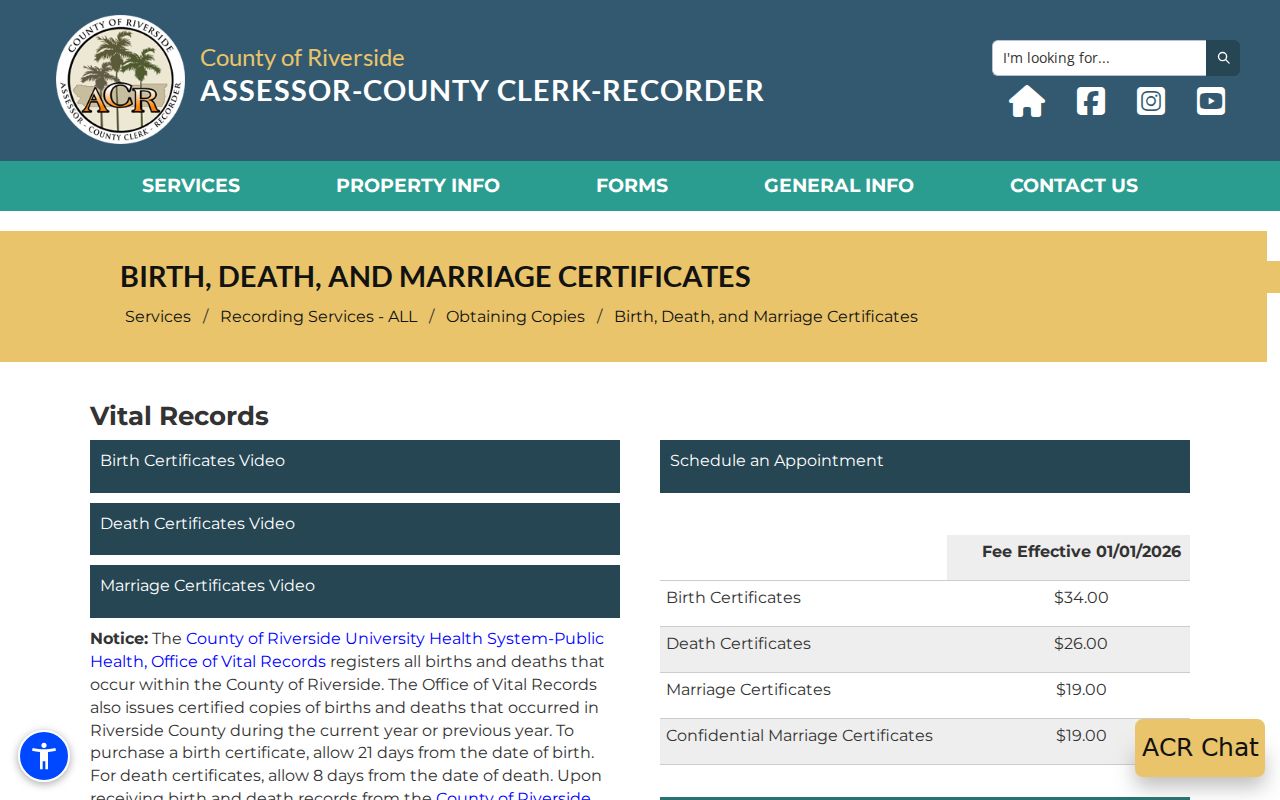
Probate can identify interested persons and heirs in a Superior Court estate record, but sensitive pleadings may remain courthouse-only. A death record, obituary, cemetery entry, or probate party should be labeled by role rather than collapsed into a claim that someone lived at the address for a precise period.
Lawful house history. Eastvale previous residents research is suited to genealogy, a property’s past, and personal curiosity. Do not use a historical trail to stalk, harass, or track a living person.
Custody Records Are Not Home History
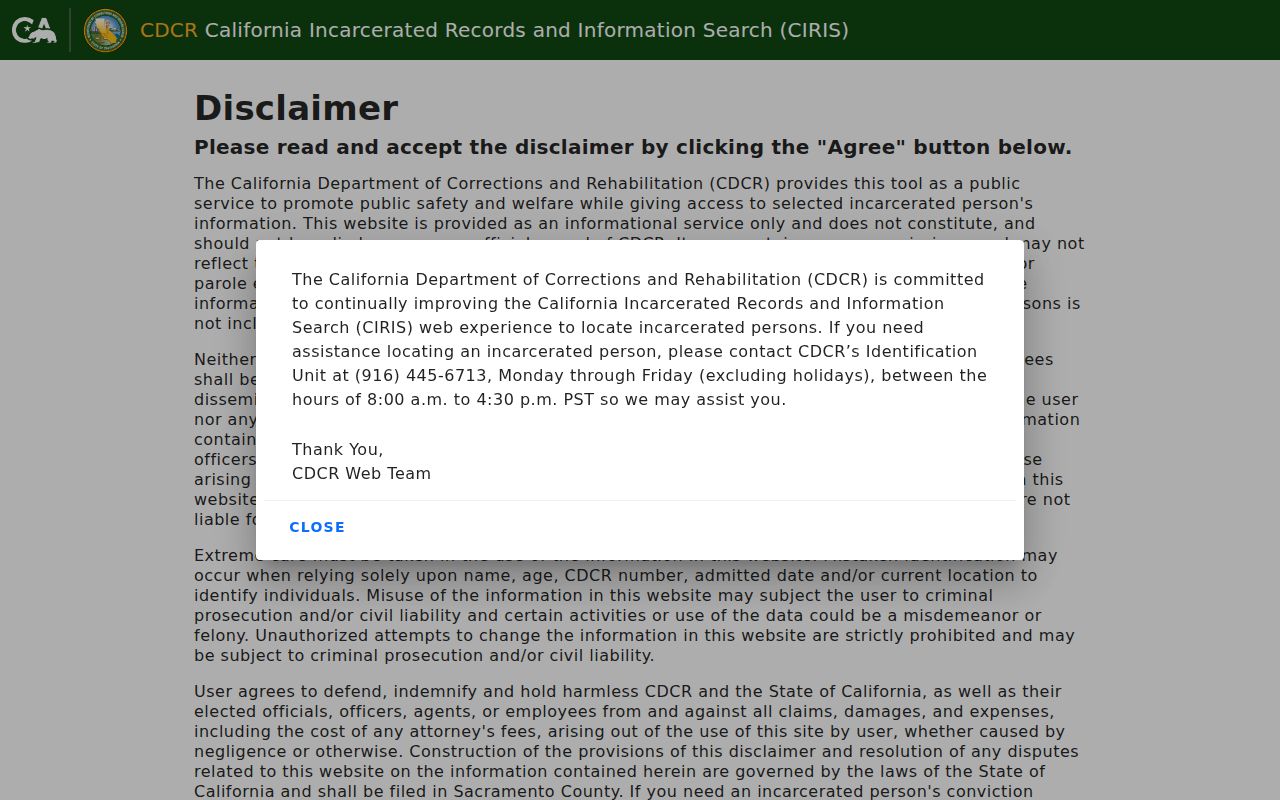
Specialized public searches may help verify a dated record role, but they do not fill a residential gap. California CIRIS is an informational state incarcerated-person locator. It can show a name, age, CDCR number, location, admission, commitment county, and parole-eligible month or year after its disclaimer. The commitment county is where a sentence arose, not necessarily where the person lived before or after custody.
The California Incarcerated Records and Information Search warns that data may be incomplete, untimely, or inaccurate and is not the official conviction record.
Use a court record for conviction details and a deed, directory, census, or dated newspaper for an address connection. These distinct roles protect a previous-resident trail from false identity joins.
The Federal Bureau of Prisons locator is another specialized source with records from 1982 forward.
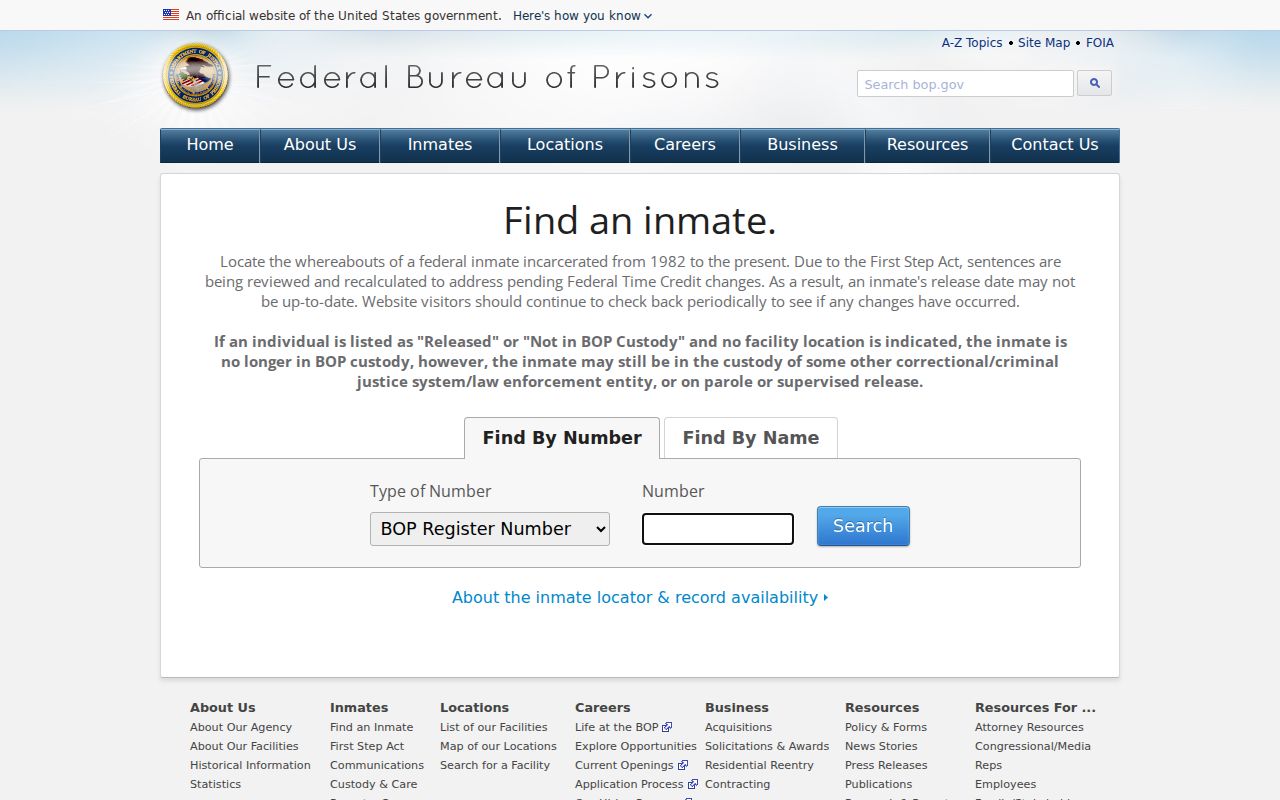
BOP warns that release dates can change and a released or not-in-custody result does not exclude another system. Neither the result nor the absence of one proves a person lived at an Eastvale address.
Eastvale Previous Residents and 2010
Eastvale incorporated on October 1, 2010. Before that date, municipal-style questions were county or predecessor-jurisdiction questions. After incorporation, the City Clerk and Eastvale permit system add a city layer for council actions, permanent administrative records, permits, agendas, elections, boards, FPPC filings, and public-record requests. Property, deeds, vital records, courts, voter administration, and older government files remain county or state channels.
Eastvale has no separate municipal trial court. Local trial cases go to Riverside Superior Court. That matters when an estate, probate event, or civil filing appears in a previous-resident trail. It also prevents a searcher from treating an Eastvale city label as if it created a separate historical courthouse series. Riverside County was created in 1893, so records before that follow predecessor counties.
The correct trail is therefore date-first: predecessor jurisdiction before 1893, county records from 1893, county-plus-historical collections before 2010, and city-plus-county channels after incorporation.
Sanborn Maps and the Eastvale Gap
No Eastvale Sanborn sheet was located in an authoritative catalog during the research. That is an explicit gap, not proof that no sheet exists. Do not invent coverage, a map year, or a building footprint. Ask the Corona Heritage Room, Riverside County Archives, or another named repository whether a relevant map series exists for the historical locality, and record the answer with the date checked.
When a Sanborn lead is absent, the fallback chain remains concrete: current APN and ACR office ownership, recorder deeds and maps, County Archives assessment and ownership series, Heritage Room directories and newspapers, NARA census, and city or predecessor-county permit files. A subdivision map, legal description, tract, lot, block, and map book/page can bridge a changing street label even when an old house number cannot be located.
Careful previous-resident research ends with a dated, role-specific chain. It may establish that a person was a recorded owner, directory occupant, census householder, permit applicant, newspaper subject, voter registrant, licensee, or probate party. Only independent sources support the broader conclusion that the same person lived at an Eastvale address at a particular time. That is how previous residents become a dated trail rather than a guessed list.
Note: Recorder coverage, copy fees, archive routes, and historical collection dates were checked in August 2026; confirm the live custodian route.